
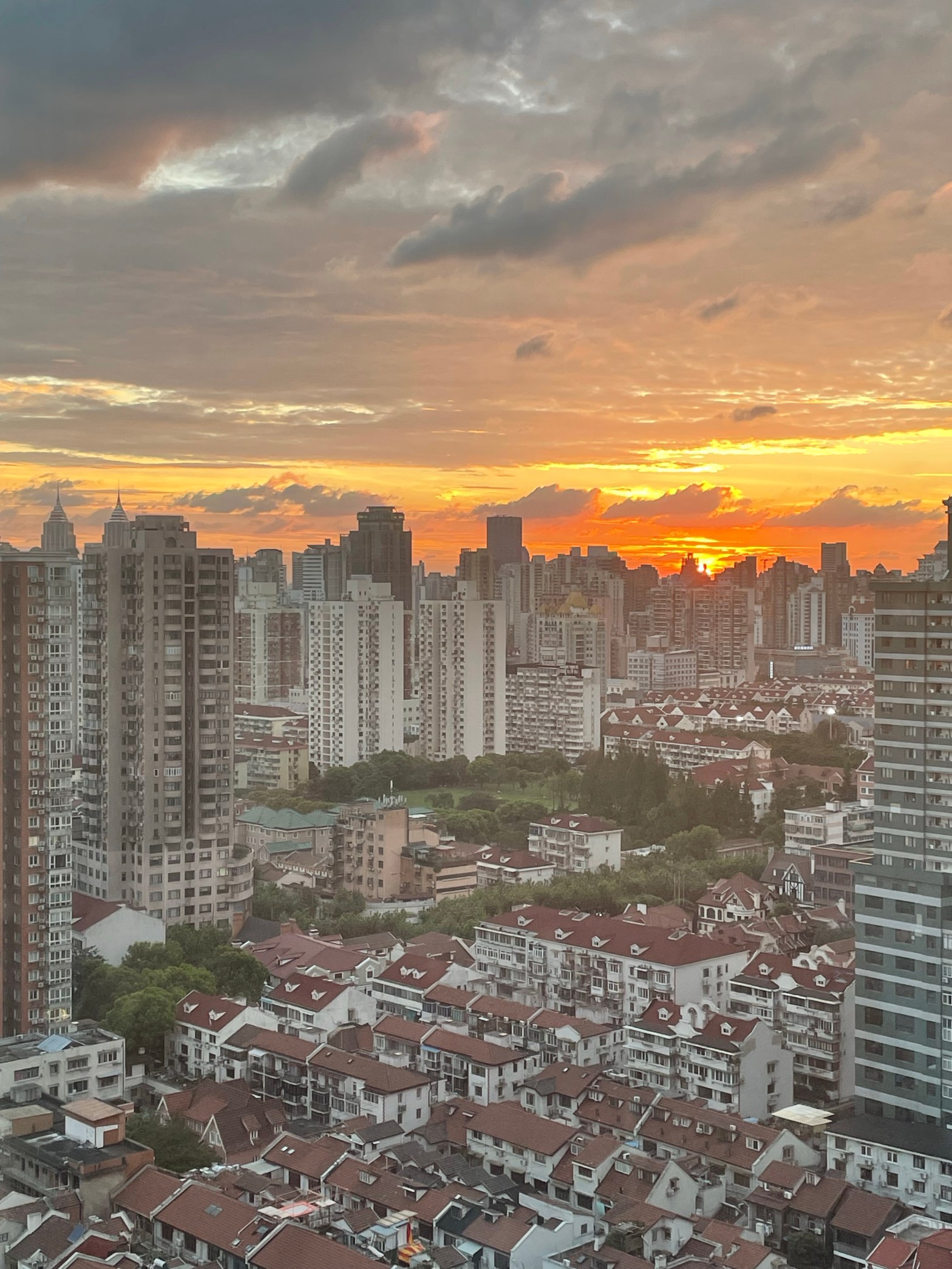
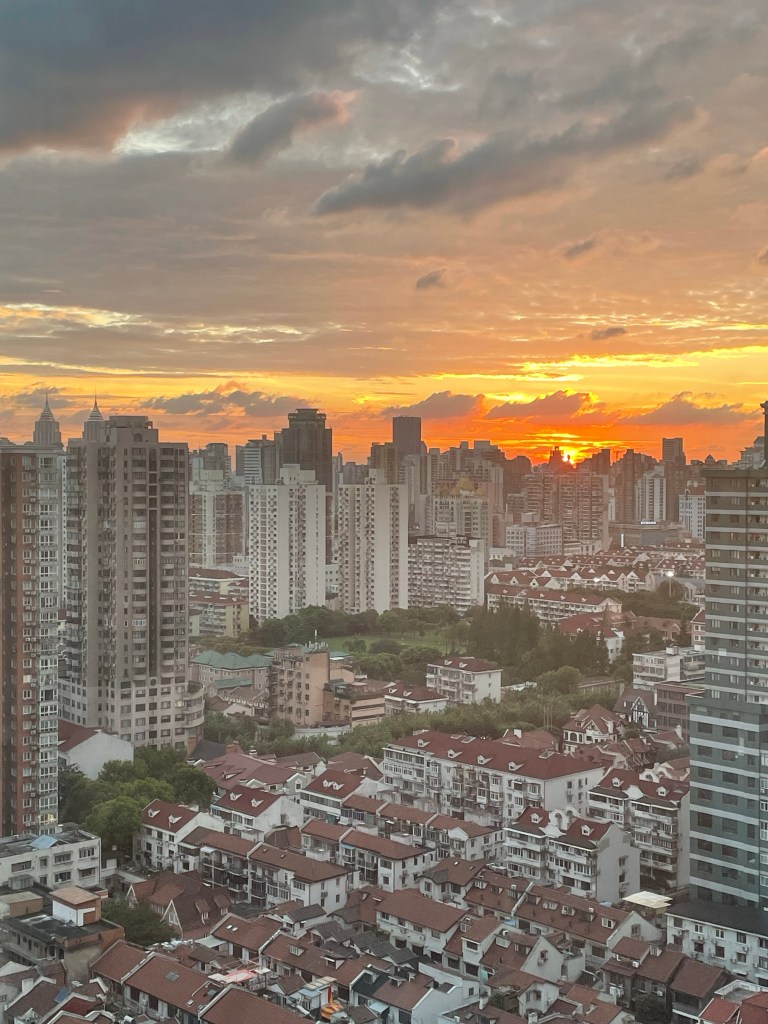
We’ve recently returned to Shanghai after 8 months in the US. In the past nearly two decades, this has been the longest period of time I’ve been away from China. I think it was needed.
I don’t know how to put it or what phraseology to use. But I think it’s possible that I have had some kind of potential mild Post Traumatic Stress Disorder (PTSD) from my experience in Shanghai during the draconian lockdown era in 2022. And I’m sure that I’m not alone. But I feel pretty alone because NO ONE talks about it here.
Shanghai Post-COVID PTSD
Before we left, you couldn’t go five minutes in a conversation without someone saying the word 疫情 (epidemic). It was in all conversations everywhere, at all times. Near the end, I decided to characterize 疫情 as a woman with an iron fist who ruled by fear. (A woman because the word in Romanized Pinyin, Yiqing, actually sounds like a feminine name, not due to some buried resentment within). She was on every street corner, brazen. The scorned woman, Yiqing.
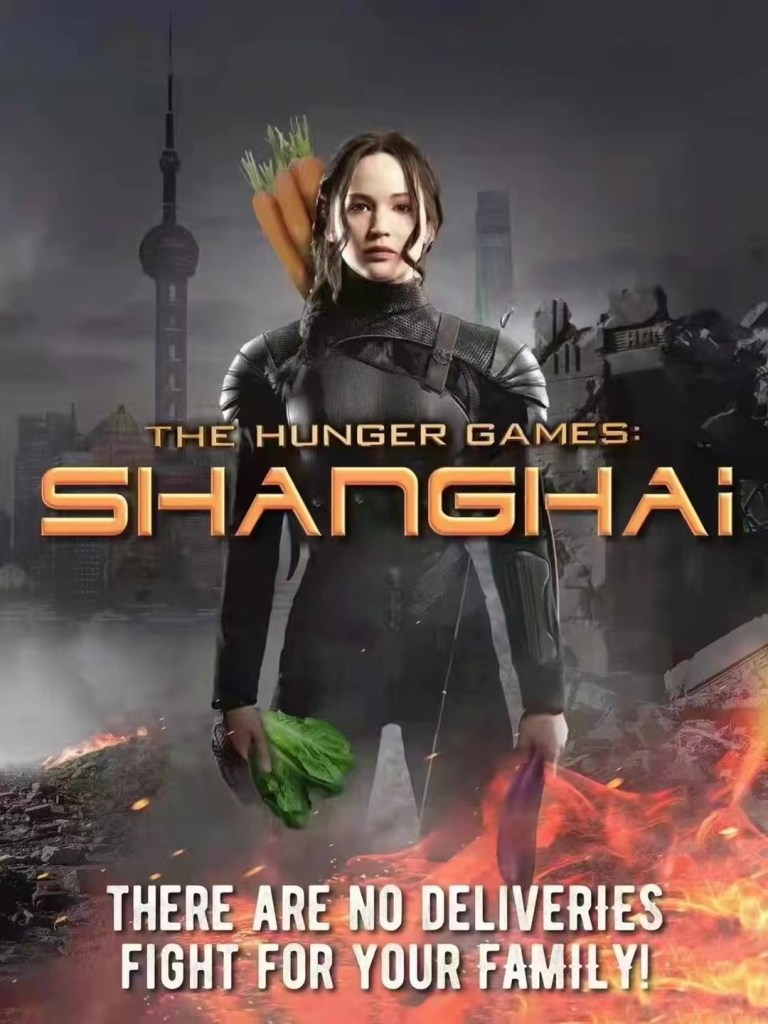
I began to feel a deep disgust for Yiqing. I stopped believing in her power. I kept most of my feelings to myself. It doesn’t help when the majority of people you meet fear Yiqing and allow her to dominate their lives. I suppose I, too, allowed her to dominate me through the anger I felt, which does – in one sense, remain.
Sometimes, the taste of freedom is tangible.
Back in end November last year, my family of four got on a plane from Shanghai fully masked and geared up to fend off Yiqing. We stopped in Seoul when the entire flight crew and captain changed. We took off our masks, never to wear them again – and, never to hear of Yiqing again.
But Yiqing nearly single-handedly squeezed all the joy of living in China out of me. And, that is worth being angry about.
The reason I think I may have Shanghai post- COVID PTSD is that I have always been a “China guy”. I’ve loved living in China, my family is Chinese, kids are effectively Chinese, and I’ve experienced some great – and tough – times over the years. I even experienced SARS in 2003, the predecessor to COVID.
A simple Google search says PTSD is: “a disorder in which a person has difficulty recovering after experiencing or witnessing a terrifying event. The condition may last months or years, with triggers that can bring back memories of the trauma accompanied by intense emotional and physical reactions.”
It goes on to say: “Symptoms may include nightmares or unwanted memories of the trauma, avoidance of situations that bring back memories of the trauma, heightened reactions, anxiety, or depressed mood.”
I think this second section captures my experience “to a T”. My wife has greatly wanted to return to China to maintain her work and return to her preferred city life. Most of my clients are chiefly Asia-based, so being on a similar time zone helps my work as well. But, it was going pretty well in the US; so well, that I dreaded return. Truly dreaded.
While I don’t have nightmares anymore, I did for a long time. I would especially hear the door buzz in the middle of the night, get up and check. No one there. The simple ignoble experience of being awakened in the middle of the night by hazmat suits and corralled in groups for mass testing was burned in my psyche so long that it took months to weedle itself out.
I couldn’t imagine what people with much worse trauma than I have do to deal with it. Veterans. What do they do? People who had witnessed bad accidents or lost loved ones? Without question, these experiences are far worse than what we experienced. I quit drinking a decade ago, not an option. Authentic prayer and complaining to God helps.
2022: The Forgotten Year in China
But, I know I’m not alone here. I am certain there are many others who have this unique mild PTSD. But I haven’t found them. Even my wife won’t talk about it. I’ve met a few people since coming back to Shanghai, and I like to chat with regular people – in the coffee shop, store attendants etc. I will periodically say something like “I just returned, and it’s totally different. No masks, no testing, it’s completely different. Three years of policy – disappeared!
And I ask them – what happened? Why is no one taking about it?
And, no one has anything to say. I am completely flabbergasted.
Spotless Mind
There was a movie I saw many years ago with Jim Carrey in the lead role: “Eternal Sunshine of the Spotless Mind” . It is not a comedy. I found it incredibly sad, and cried while watching it. The plot is two lovers who broke up and used a new treatment which slowly erased the memory of the relationship from their minds to ease their pain. Parts of the story made a lot of sense to me at the time.
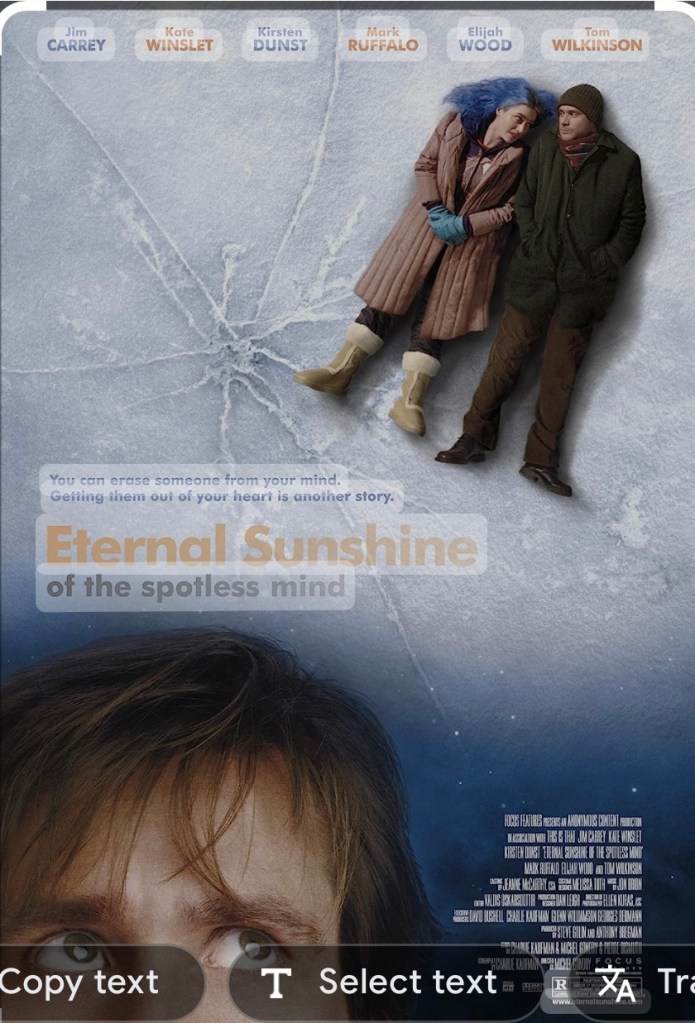
In the same way, it feels like the people in Shanghai have undergone a treatment to wipe out all painful memories of COVID. As if it never existed at all. And they are back enjoying their normal lives and moving on.
Maybe I should undergo such treatment. It’s good to move on. What the heck is wrong with me?
And yet: this reminds me of when the topic of the past came up once with my in laws, who endured the toughest time in China’s modern history. A time of true suffering. In a rare moment, my mother-in-law began to share, and she was cut off by my father in law with “no need to discuss”.
“Resilience” is one of those prized words from the corporate lexicon. It continues to be sought after and celebrated. If resilience is the ability to move on and overcome challenges, Chinese must be some of the most resilient people in the world. I’m uncertain if it’s resilience, denial or something else going on though. I’m equally uncertain if it’s something to learn from or to challenge. So, I keep to myself for the most part and internalize. Maybe that’s what they have been doing too?
 Stark Discussion